
Description
Product Overview
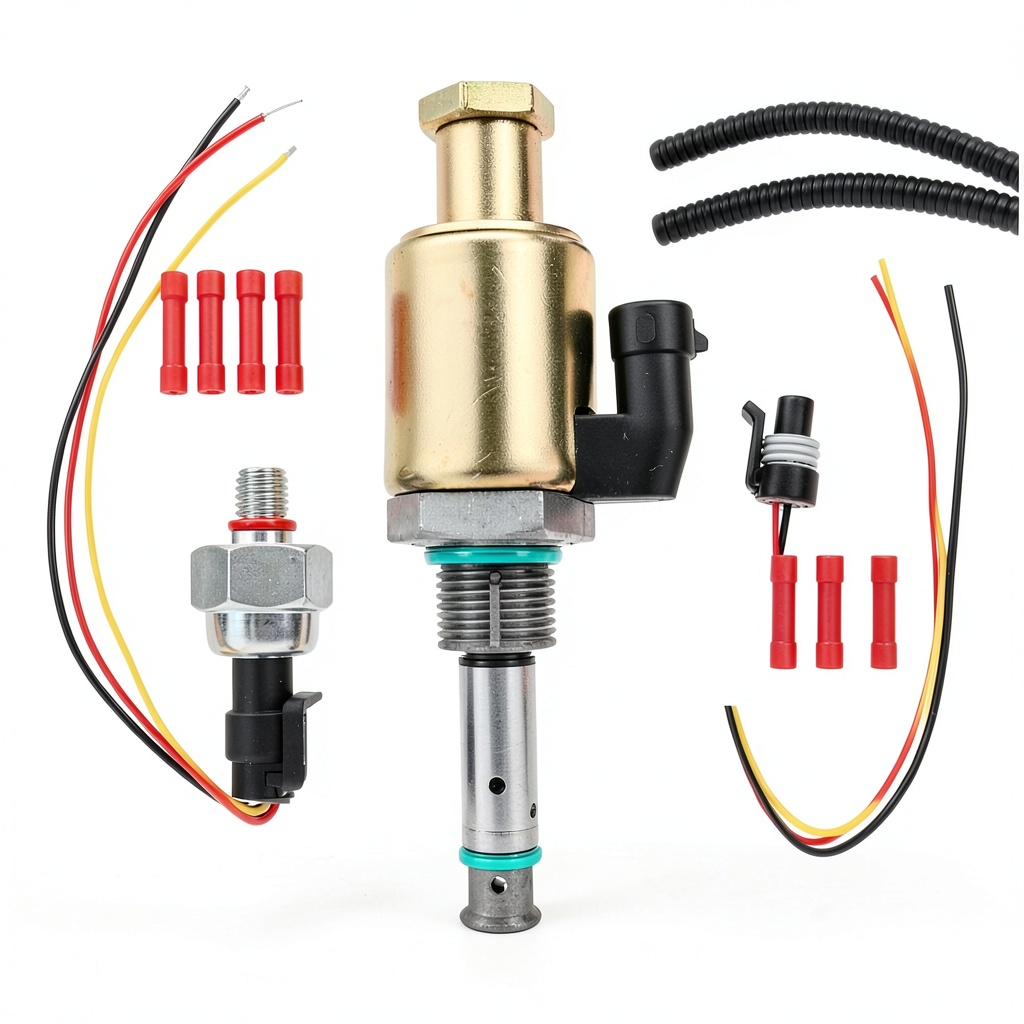
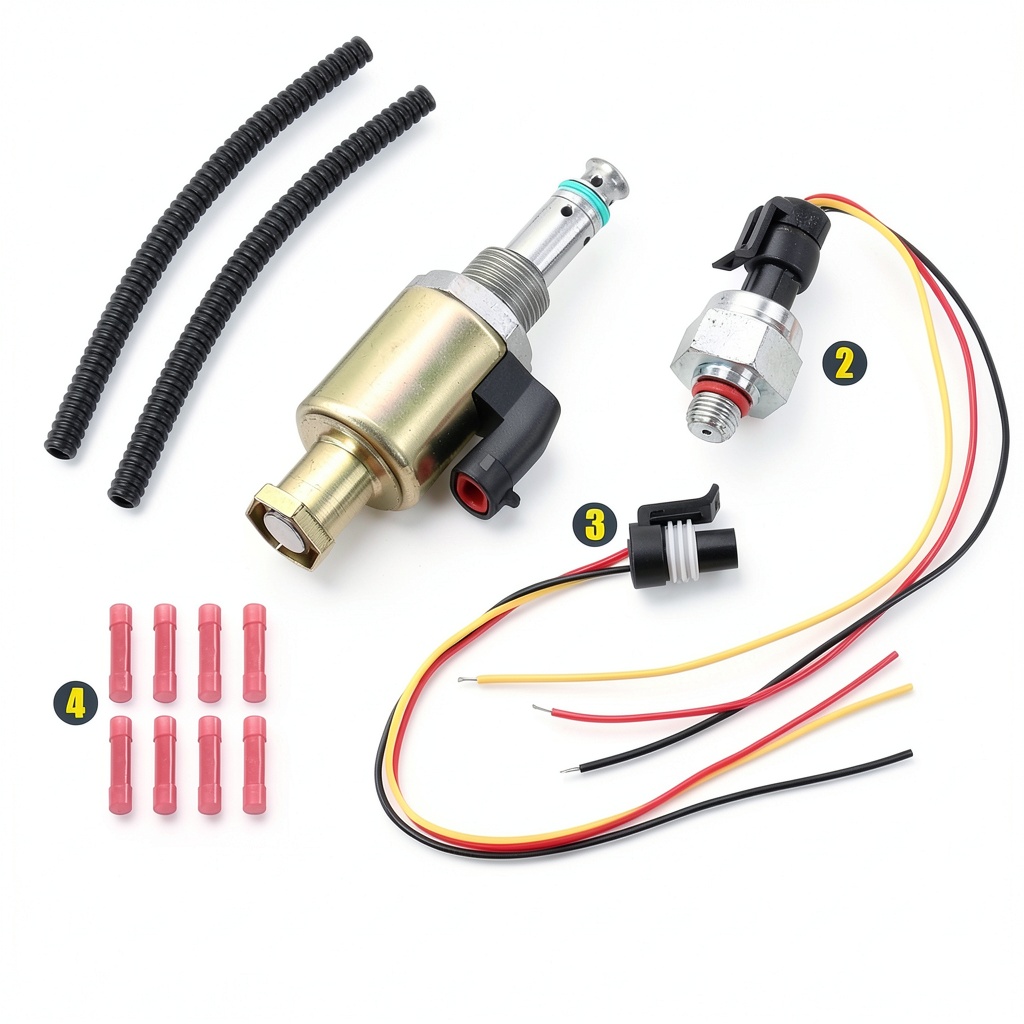
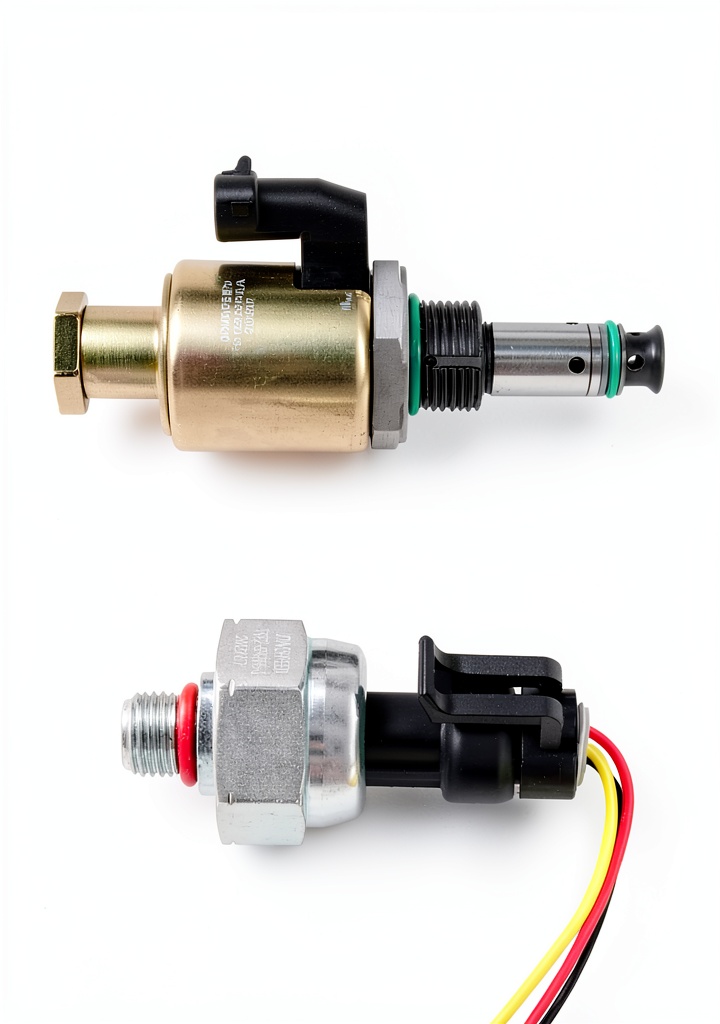
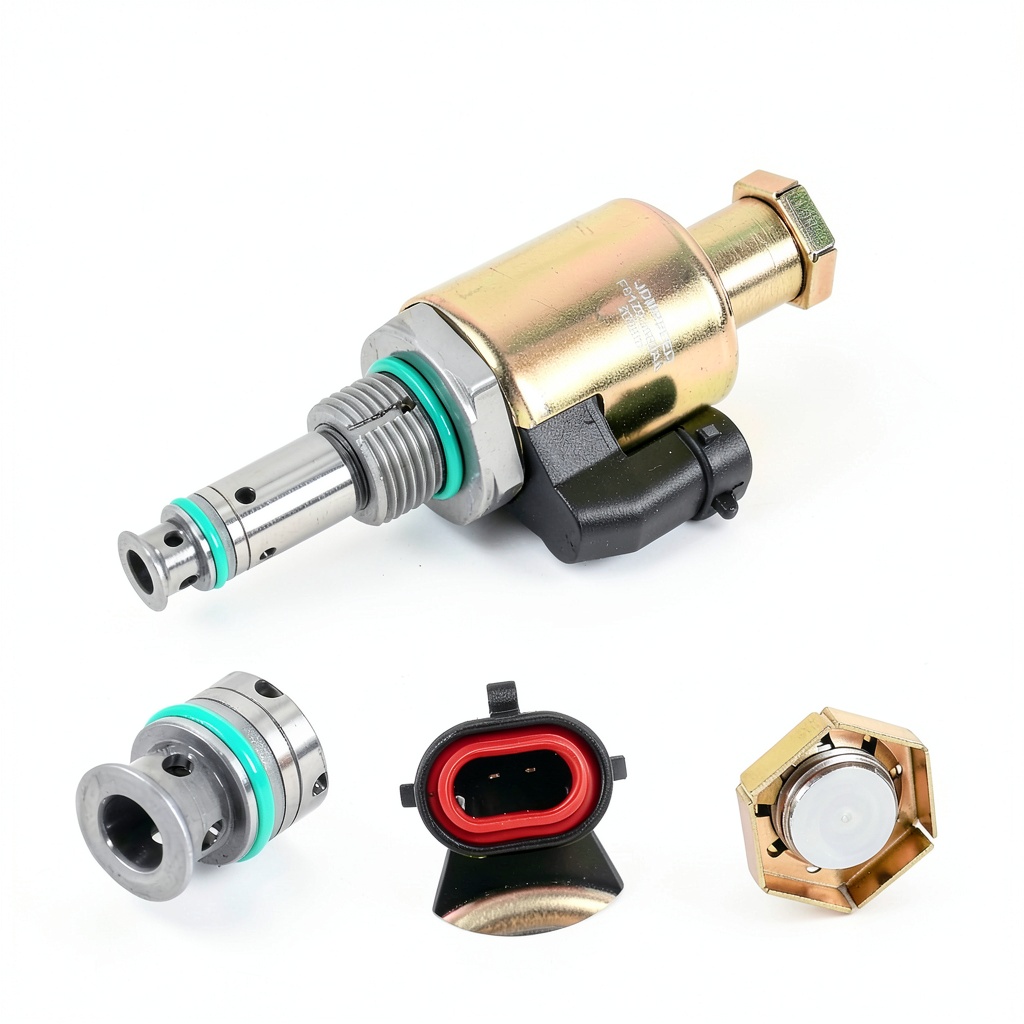
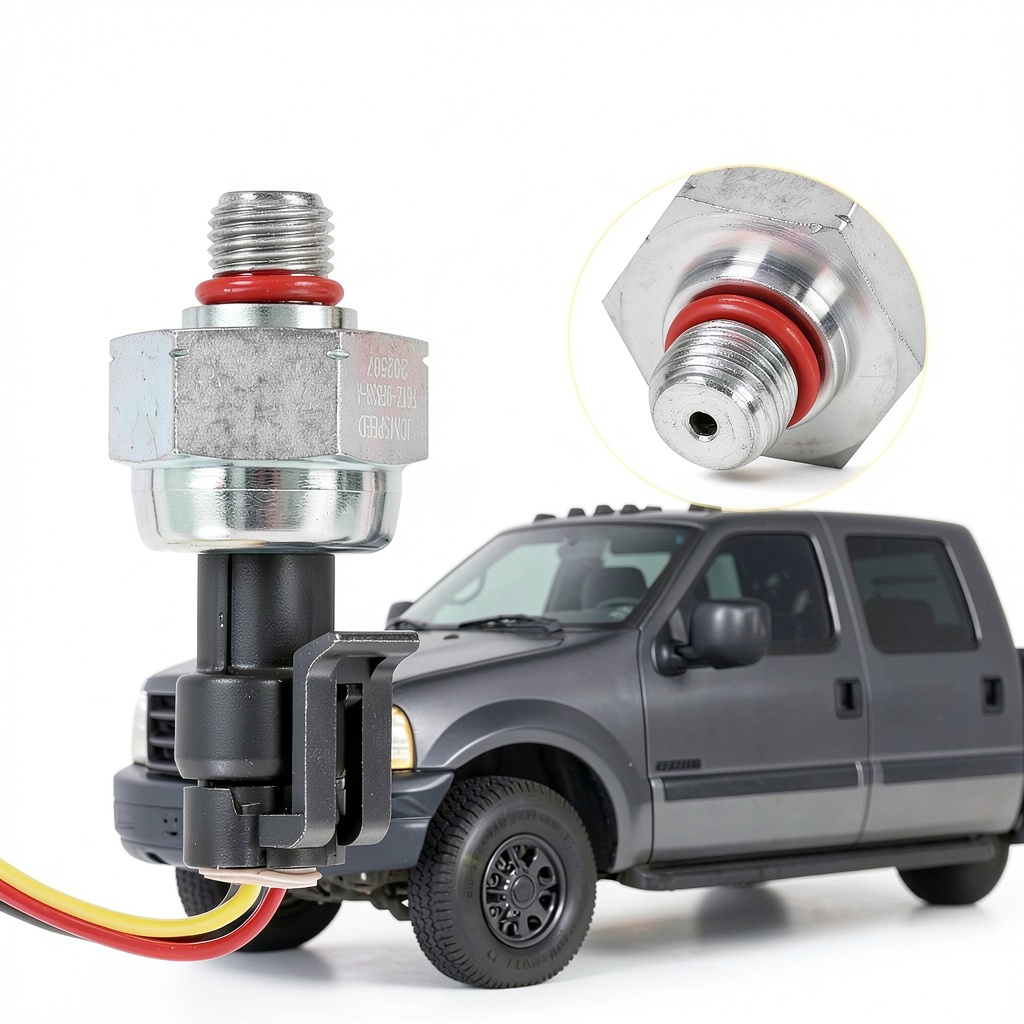
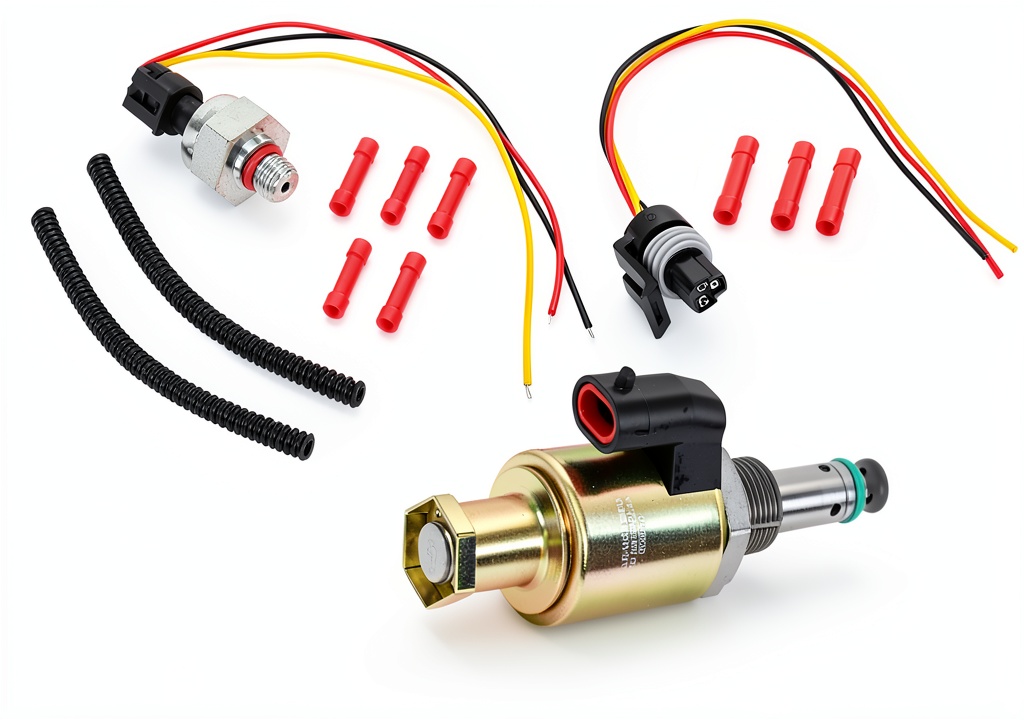
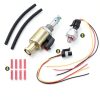
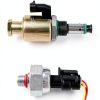
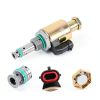
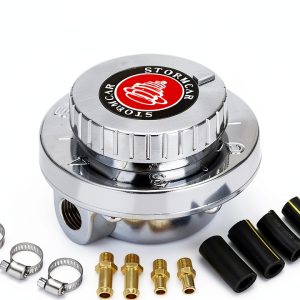
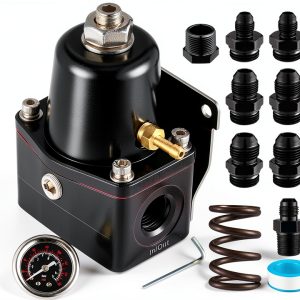
The RALBDX 7.3L IPR valve fuel injection pressure regulator is a precision‑engineered component designed to maintain optimal fuel pressure in high‑performance diesel powertrains. Constructed from corrosion‑resistant stainless steel, the regulator offers long‑lasting durability and reliable operation under the demanding conditions of heavy‑duty trucks and commercial vans. Its dual‑port design incorporates a 12 mm compression inlet and a threaded outlet, providing a secure connection that prevents leaks and ensures consistent pressure delivery to the injectors. The regulator conforms to the original equipment specifications for a wide range of Ford models, including the Super Duty, Econoline, and Excursion series produced between 1995 and 2003. By matching the OEM part numbers such as F81Z9C968AA and CM‑5013, the RALBDX unit fits seamlessly into existing fuel systems without the need for additional adapters.
The regulator’s internal diaphragm is precision‑machined from high‑grade alloy steel, providing a responsive seal that reacts instantly to pressure fluctuations. This design minimizes the lag time between pump output and injector demand, which is critical for maintaining combustion efficiency during rapid throttle changes. The stainless‑steel exterior not only protects against rust in humid climates but also tolerates the thermal cycling that occurs when the engine operates under load. Each unit undergoes a 10‑bar pressure endurance test to verify that it can sustain the maximum fuel system pressures found in modern diesel engines without deformation. The compact dimensions of 4.41 × 3.39 × 3.03 inches allow the regulator to fit into tight engine bays without interfering with surrounding components.
![[Product front view showing all components]](https://www.assistivehub.store/wp-content/uploads/2026/06/7ae2bd497d1d4c01836d7837b6410aab.jpg)
Usage
This regulator is ideal for owners who experience hard starting, erratic idle, or fuel‑pump jerking, symptoms that often indicate a loss of pressure stability in the fuel delivery circuit. Installation is straightforward: disconnect the existing sensor, remove the old regulator, and attach the new unit using the standard 12 mm compression fitting and the threaded outlet that aligns with the high‑pressure oil pump. No special tools or welding are required, making the upgrade achievable for experienced DIY mechanics as well as professional service shops. After installation, the regulator quickly stabilizes fuel pressure, allowing the engine to achieve smoother acceleration, reduced fuel consumption, and a quieter operation during cruising. The component is also compatible with aftermarket performance upgrades, ensuring that high‑flow fuel pumps and larger injectors receive the precise pressure needed for optimal power output.
During cold‑weather operation, the regulator helps maintain sufficient fuel pressure to prevent vapor lock and ensures that the injectors receive a steady flow of fuel even when the engine is idling. In high‑altitude environments, the precise pressure regulation compensates for reduced atmospheric density, allowing the engine to achieve its rated power output without excessive fuel enrichment. For fleet operators, the reliability of the RALBDX regulator translates into fewer breakdowns and lower maintenance costs, as the component’s robust construction reduces the frequency of part replacements. The regulator also works harmoniously with electronic fuel‑injection control modules, delivering the pressure profile required for optimal sensor feedback and engine mapping.
Why Choose Us
RALBDX commits to rigorous quality control, subjecting each regulator to pressure testing, corrosion resistance evaluation, and dimensional verification before it leaves the factory. Our stainless‑steel construction exceeds the original OEM specifications, providing an extra margin of safety that protects the fuel system from premature wear and leaks. Each unit is backed by a limited lifetime warranty, reflecting our confidence in the durability and performance of the product. Our technical support team is available to guide customers through the installation process, troubleshoot any issues, and provide replacement parts if necessary. Choosing RALBDX means investing in a component that combines engineering precision, material excellence, and responsive after‑sales service for long‑term engine health.
RALBDX’s manufacturing process follows ISO‑9001 standards, ensuring that each component is produced with consistent quality and traceable documentation. The stainless‑steel material is sourced from certified suppliers who guarantee a minimum of 18 % chromium content, which is essential for corrosion resistance in fuel‑rich environments. Our engineering team conducts finite‑element analysis on every design iteration to optimize flow dynamics and minimize pressure drop across the regulator. Customers benefit from a streamlined supply chain that provides rapid shipping, typically within 2‑3 business days for in‑stock items, and a hassle‑free return policy if the part does not meet expectations. In addition, RALBDX offers technical resources such as installation videos, wiring diagrams, and detailed service manuals to assist technicians in achieving a flawless fit.
Key Features
- Stainless‑steel body resists corrosion and extends service life in harsh environments
- Dual‑port design with 12 mm compression inlet and threaded outlet ensures leak‑free connections
- Maintains consistent fuel pressure to improve engine start‑up, idle stability, and overall performance
- Direct fit for multiple Ford models eliminates the need for adapters and reduces installation time
- Supported by a limited lifetime warranty and dedicated customer service for peace of mind
Installation Guide
Before beginning the replacement, ensure the engine is cool and the battery is disconnected to prevent accidental ignition. Remove the fuel pump cover by loosening the retaining bolts and set the cover aside. Locate the existing IPR valve on the back of the high‑pressure oil pump; it is typically secured with a 12 mm compression nut and a threaded outlet nut. Using a suitable wrench, unscrew the compression nut while supporting the fuel line to avoid spillage. Detach the outlet connector and carefully extract the old regulator, taking note of the orientation of the sensor port. Compare the old unit with the new RALBDX regulator to verify matching inlet and outlet threads. Apply a thin layer of fuel‑compatible thread sealant to the threaded outlet if recommended by the manufacturer. Install the new regulator by inserting the compression fitting into the fuel line, tightening the nut to the specified torque of 10 Nm, and screwing the outlet thread into the pump housing until hand‑tight. Re‑attach the fuel pump cover, reconnect the battery, and prime the fuel system by turning the ignition key to the “on” position for several seconds without starting the engine. Finally, start the engine and observe for any leaks; a smooth idle confirms successful installation.
Performance Benefits
Accurate fuel pressure regulation is a cornerstone of diesel engine efficiency, and the RALBDX IPR valve delivers this precision with minimal pressure drop. By maintaining the optimal pressure range, the regulator enables the injectors to atomize fuel more evenly, which improves combustion completeness and reduces unburned hydrocarbons. The result is a measurable improvement in fuel economy, often observed as a 2‑3 % reduction in gallons per mile under typical driving conditions. In addition, stable pressure prevents the injector nozzles from experiencing excessive mechanical stress, extending their service life and lowering the frequency of costly replacements. The regulator’s design also supports lower emissions by ensuring that the fuel mixture remains within the manufacturer’s calibrated parameters, helping vehicles meet stringent EPA standards. For heavy‑duty trucks that operate under high loads, the consistent pressure delivery reduces engine knock and vibration, contributing to a smoother ride and less wear on drivetrain components. Moreover, the stainless‑steel housing resists the corrosive effects of biodiesel blends, allowing owners to take advantage of renewable fuel options without compromising system integrity.
Customer Testimonials
John M., a fleet manager in Texas, reports that after installing the RALBDX regulator on his fleet of 2010 Ford F‑550 trucks, the vehicles exhibited a noticeable reduction in idle roughness and a 3 % improvement in fuel mileage over a month of operation. Sarah L., an independent mechanic in Ohio, appreciates the straightforward installation process, noting that the clear labeling of the inlet and outlet ports eliminated confusion and reduced labor time by approximately 30 minutes per vehicle. Michael K., a diesel enthusiast, highlights the durability of the stainless‑steel construction, stating that even after exposure to a high‑sulfur biodiesel blend, the regulator showed no signs of corrosion or wear after 10,000 miles.
Maintenance Tips
Regular inspection of the fuel injection pressure regulator can prevent unexpected failures and extend the service life of the entire fuel system. Schedule a visual check at every 10,000‑mile service interval, looking for signs of external corrosion, cracked seals, or loose connections. When replacing the regulator, always use a fresh O‑ring and apply a thin coat of fuel‑compatible sealant to the threaded outlet to ensure a leak‑free seal. Verify that the compression nut is tightened to the manufacturer‑specified torque, typically 10 Nm, to avoid over‑compression that could damage the diaphragm. After installation, perform a pressure test using a calibrated gauge to confirm that the regulator maintains the target pressure range of 30–55 psi under load. If the pressure deviates, re‑inspect the inlet and outlet fittings for proper seating and ensure that the fuel line is free of debris. Keeping the fuel filter clean also supports the regulator’s performance, as a clogged filter can cause pressure spikes that strain the diaphragm. Finally, record the installation date and part number in the vehicle maintenance log for future reference.
Engine Compatibility
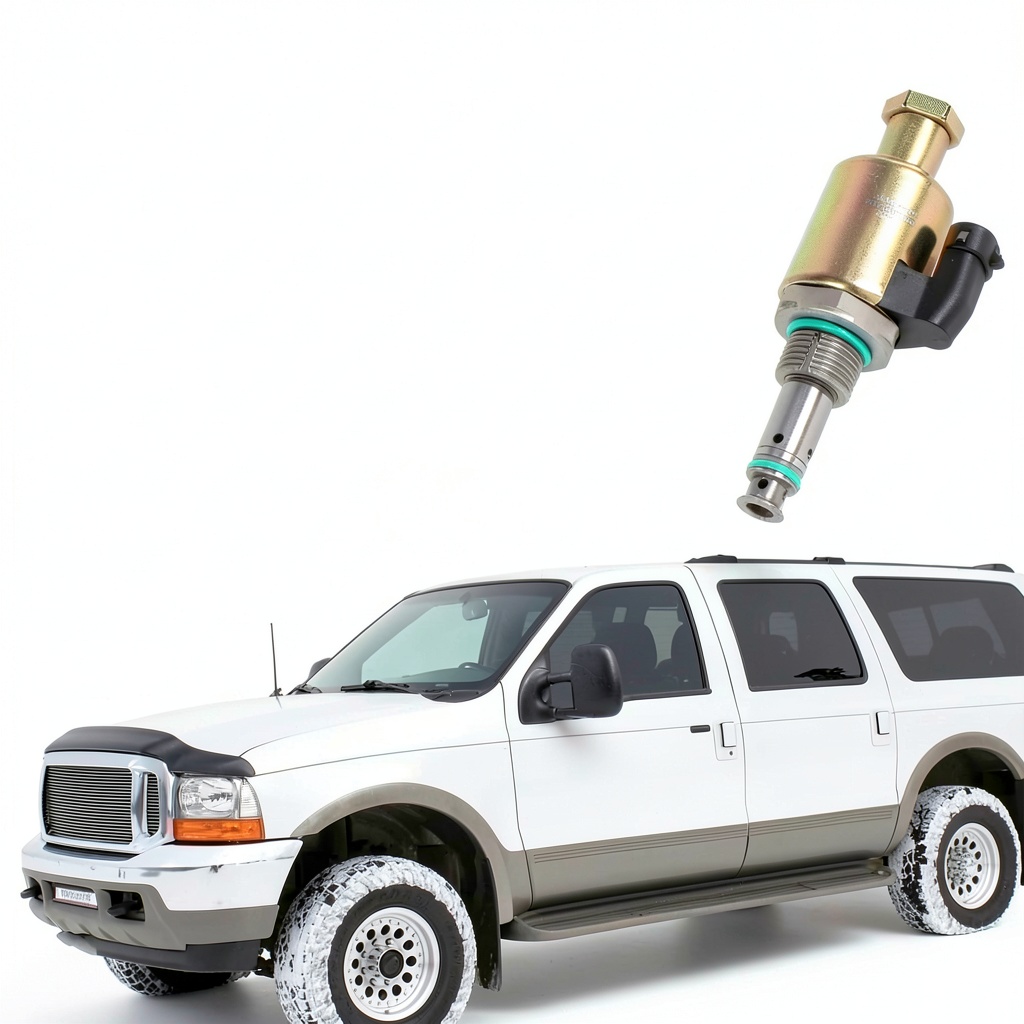
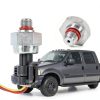
The RALBDX 7.3L IPR valve is engineered to match the fuel system architecture of a broad range of Ford diesel platforms. For the F‑Series Super Duty line, it fits the 7.3L V8 engines found in the 1995‑2003 F‑250, F‑350, F‑450, and F‑550 models, replacing part numbers such as F81Z9C968AA and CM‑5013. In the E‑Series, the regulator serves the 7.3L powerplants used in the 1995‑2003 E‑350, E‑450, and E‑550 vans, providing a direct swap for OEM components. The Ford Excursion SUV, produced from 2000‑2003, also utilizes this regulator, ensuring consistent performance across both pickup and utility vehicle applications. Additionally, the unit is compatible with aftermarket high‑performance fuel pumps and can be paired with aftermarket IPR sensors for enhanced monitoring capabilities. The universal M12x1.25 thread size aligns with industry‑standard fittings, making the regulator a versatile solution for both original equipment manufacturers and custom diesel builds.
Environmental Impact
By optimizing fuel pressure, the RALBDX regulator contributes to more complete combustion, which reduces the emission of particulate matter and unburned hydrocarbons. Lower emissions not only help vehicle owners comply with local air quality regulations but also support broader efforts to decrease the carbon footprint of diesel transportation. The stainless‑steel construction is fully recyclable, and the manufacturing process adheres to waste‑reduction protocols that minimize the environmental impact of production. When paired with biodiesel blends, the regulator’s corrosion‑resistant design ensures that the component remains functional over the lifespan of the fuel, allowing fleets to transition to renewable fuels without additional part turnover. Overall, the regulator’s efficiency gains translate into modest fuel savings, which, when aggregated across large fleets, can result in significant reductions in greenhouse gas emissions.
FAQ
What symptoms indicate that the IPR valve needs replacement?
Common signs include hard starting, fluctuating idle speed, fuel pump jerking, and a noticeable drop in power, all of which stem from unstable fuel pressure.
Is the regulator compatible with aftermarket fuel pumps?
Yes, the stainless‑steel construction and standard inlet/outlet sizes allow it to work with high‑flow pumps and performance injectors without modification.
Can I install the regulator myself?
The unit is designed for a straightforward swap using basic hand tools; most DIY enthusiasts can complete the installation in under an hour.
What warranty coverage does RALBDX provide?
RALBDX offers a limited lifetime warranty that covers manufacturing defects and includes access to technical support for installation assistance.
Can the regulator be used with diesel engines that run on biodiesel blends up to B20?
Yes, the stainless‑steel body and sealed diaphragm are compatible with biodiesel blends up to 20 % without corrosion, provided the fuel filter is changed regularly.
What torque specification should be used for the compression nut during installation?
The compression nut should be tightened to 10 Nm (approximately 90 in‑lb) as specified by the manufacturer to achieve the correct seal without over‑compressing the diaphragm.
Reviews
There are no reviews yet.